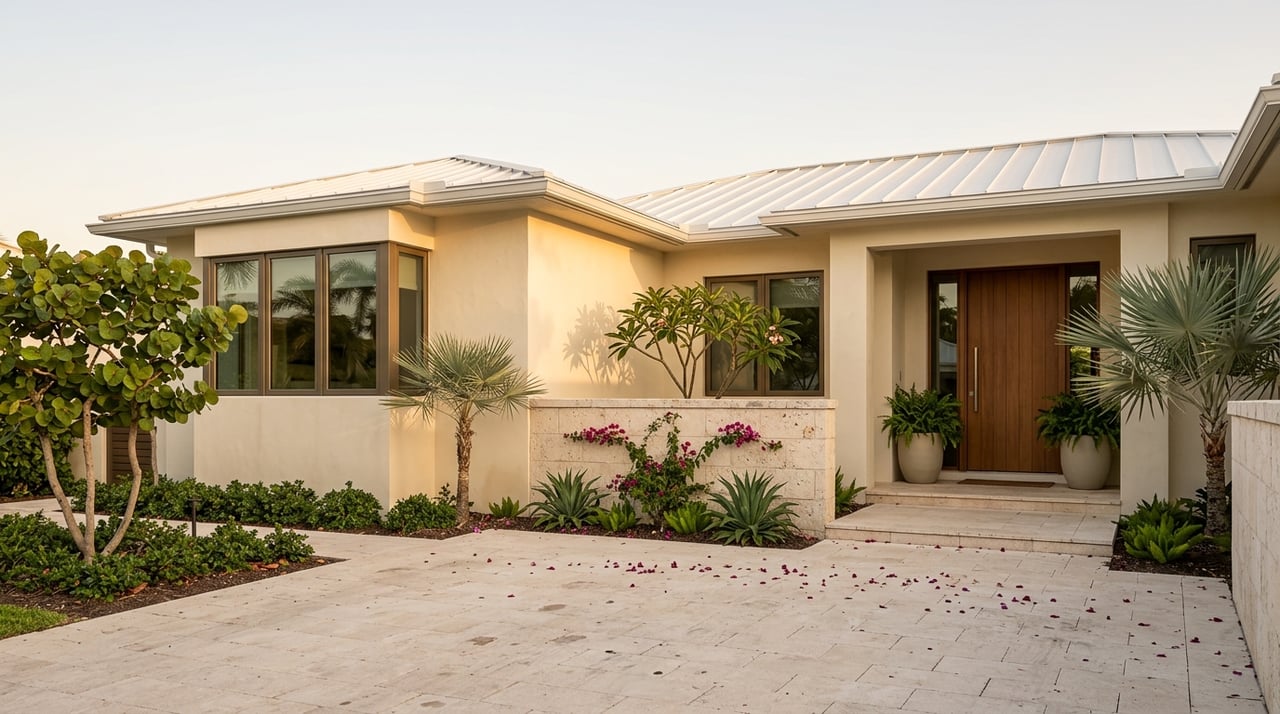
If you are deciding between an oceanfront condo and a gated home in New Providence, you are not choosing between a good option and a bad one. You are choosing between two very different ownership experiences in one of The Bahamas’ most connected and sought-after markets. The right fit comes down to how you want to live, how hands-on you want to be, and what kind of day-to-day responsibility feels comfortable for you. Let’s dive in.
Why New Providence Offers Both
New Providence includes Nassau, the capital of The Bahamas, and sits at the center of arrival and movement for many buyers. Nassau and Paradise Island are often seen as the gateway to the country, with Lynden Pindling International Airport, the cruise port, bridge access to Paradise Island, and close reach to beaches, hotels, and resort areas.
That setting helps explain why both property types appeal to buyers here. An oceanfront condo can offer immediate coastal access and a simpler base near the energy of Nassau and Paradise Island. A gated home often speaks to buyers who want a more private residential setup with greater control over their space.
Oceanfront Condo vs Gated Home
Oceanfront condos favor ease
If you want a lock-and-leave property, an oceanfront condo may feel like the simpler choice. In many cases, condo living means less exterior upkeep on your shoulders and a more structured ownership model.
Under the Condominium Act, you own your individual unit along with an undivided share in the common property. The body corporate is responsible for operating the property, maintaining common areas, insuring the building against fire, hurricane, and seawave unless owners unanimously decide otherwise, and funding administrative expenses, reserves, and insurance through owner levies.
That structure can create more predictability for buyers who live abroad, use the property seasonally, or simply do not want to manage a full house from a distance. It also means you will be part of a formal system with rules, shared decisions, and ongoing contributions.
Gated homes favor control
If privacy and autonomy matter more to you, a gated home may be the better match. A detached home usually gives you more direct control over maintenance decisions, insurance planning, and how the property functions day to day.
Because the body-corporate framework applies to condos, not detached homes, the maintenance and insurance model for a single-family house is typically handled by the owner unless a private development agreement says otherwise. That can be appealing if you want a more traditional residential setup, especially for full-time or longer-term use.
The tradeoff is clear. With more control often comes more responsibility, and that includes more of the storm-preparedness and upkeep burden resting directly with you.
What Ownership Looks Like in Practice
Condo ownership is shared by design
A condo can be a strong fit if you value managed systems. The Condominium Act requires annual audited accounts, and unpaid contributions can become a charge on the unit.
For many buyers, that shared structure is a benefit because it pools maintenance, insurance, and reserve planning. For others, it can feel restrictive if they want fewer rules or greater flexibility in how they use the property.
Before you buy, you will want to understand exactly how the condo is run. The declaration and byelaws can shape your ongoing costs, repair responsibilities, and any rental-related limits.
Home ownership is more independent
A gated home often feels more personal and more flexible, but it is not automatically less regulated. Private covenants or community rules may still apply, and these should be reviewed carefully before closing.
This matters even more if you hope to use the property in a specific way or want fewer restrictions. The appeal of a detached home is often the independence it offers, but the details still live in the governing documents.
Coastal Living Comes With Extra Planning
Whether you choose a condo or a house, oceanfront or near-ocean living in New Providence comes with added exposure. Coastal property can deliver the view, breeze, and beach access many buyers want, but it also calls for more serious attention to condition, insurance, and maintenance.
Storm surge is a major coastal hazard and can cause flooding, erosion, and structural damage. Salt spray and moisture can also speed up corrosion and material wear over time.
That does not mean coastal ownership should be avoided. It means your decision should include practical questions about building quality, maintenance history, insurance arrangements, and how much of that responsibility you want to manage yourself.
Legal Path for Non-Bahamian Buyers
For many overseas buyers, the first major question is not condo versus house. It is whether the purchase requires registration or a permit.
Under the International Persons Landholding Act, a non-Bahamian may register the purchase of a condominium or a property intended for use as an owner-occupied home. A permit is required for acquisitions outside that category, and undeveloped land becomes permit-sensitive once the buyer would hold two or more contiguous acres.
The Act also states that non-Bahamians who own a home in The Bahamas may apply for an annual home owner resident card. If you are buying from abroad, that legal pathway should be clarified early so your purchase structure matches the intended use.
Closing Costs and Carrying Costs Matter
Transaction costs at closing
The Ministry of Finance guidance says that, effective 1 July 2019, conveyances, mortgages, long-term leases, and most other real-property transactions attract VAT at the same rates previously used for stamp duty. The rate is 2.5% where value is under $100,000 and 10% where value is $100,000 or more. Mortgages are 1%.
For Bahamian citizens, first-home zero-rating follows a separate application process. If you are planning your purchase budget, these figures should be part of the conversation from the start.
Real property tax can change the equation
The ongoing cost of ownership can look different depending on how the property is classified. Under the current statute, qualifying owner-occupied property is taxed at 0.625% on the portion above $250,000 up to $500,000 and 1% above $500,000.
Other property is taxed at 0.75% up to $500,000 and 2% above that threshold. A 2025 amendment, effective 1 July 2025, revised the owner-occupied definition and related enforcement rules, so if you plan part-time use, you should confirm likely tax classification before closing instead of assuming the lowest rate applies.
Paperwork Is Part of the Process
If you are buying from overseas, the registration process can be document-heavy. The official application schedule calls for identification, due-diligence or KYC confirmation, a police record or sworn affidavit, a site plan, Bahamas immigration status, a real property tax assessment number, proof that property tax is current, a financial reference, source-of-wealth documentation, and proof of stamp-duty payment.
The schedule also notes a $250 fee upon approval. This is one reason many buyers benefit from a clear, organized process from the beginning rather than trying to assemble documents at the last minute.
Which Option Fits Your Lifestyle?
Choose an oceanfront condo if you want:
- A lock-and-leave base in New Providence
- Less exterior maintenance on your personal to-do list
- Shared building management and pooled upkeep
- Easy access to Nassau, Paradise Island, beaches, and airport connections
- A property that may suit seasonal or overseas use
Choose a gated home if you want:
- More privacy and separation
- More direct control over the property
- A traditional residential setup for longer stays or full-time use
- Greater flexibility in day-to-day living, subject to any private covenants
- A homeownership experience that feels more independent
Smart Questions to Ask Before You Buy
No matter which direction you lean, a few due-diligence questions can help you avoid surprises.
- Does the property qualify for your intended tax treatment?
- Are the transfer documents being stamped correctly?
- If it is a condo, what do the declaration and byelaws say about contributions, repairs, and rentals?
- If it is a gated home, what private covenants or community rules apply?
- If you are non-Bahamian, is the purchase registration-only or does it require a permit?
These questions matter because the real choice is often not just lifestyle. It is also about predictability, control, and the level of responsibility you want to carry after closing.
The Bottom Line
In New Providence, oceanfront condos and gated homes both make sense. One usually offers more shared predictability and lower day-to-day ownership demands. The other usually offers more private autonomy and household control.
Your best option depends on how you plan to use the property, how often you will be on island, and how much maintenance and rule-making you want to manage personally. If you want a calm, clear process as you weigh the tradeoffs, Colibri Bahamas - Steve Glasgow can help you navigate your options with considered representation and local insight.
FAQs
What is the main difference between an oceanfront condo and a gated home in New Providence?
- An oceanfront condo typically offers shared management, pooled maintenance, and a more lock-and-leave ownership style, while a gated home usually offers more privacy, more direct control, and more owner responsibility.
What should non-Bahamian buyers know about buying property in New Providence?
- A non-Bahamian may register the purchase of a condominium or a property intended as an owner-occupied home under the International Persons Landholding Act, but other acquisitions may require a permit.
What taxes apply when buying property in New Providence?
- Ministry of Finance guidance says real-property transactions generally attract VAT-stamping at 2.5% under $100,000 and 10% at $100,000 or more, while mortgages are 1%.
What are the real property tax differences for New Providence homes and condos?
- Qualifying owner-occupied property is taxed at different rates than other property, so buyers should confirm the expected classification before closing, especially if the home will be used part-time.
What should buyers review before purchasing a New Providence condo?
- You should review the condo declaration and byelaws to understand owner contributions, repair responsibilities, insurance structure, and any rental-related rules.
What should buyers review before purchasing a gated home in New Providence?
- You should review any private covenants or community rules, along with maintenance and insurance responsibilities, because these can affect how independently you can use and manage the property.